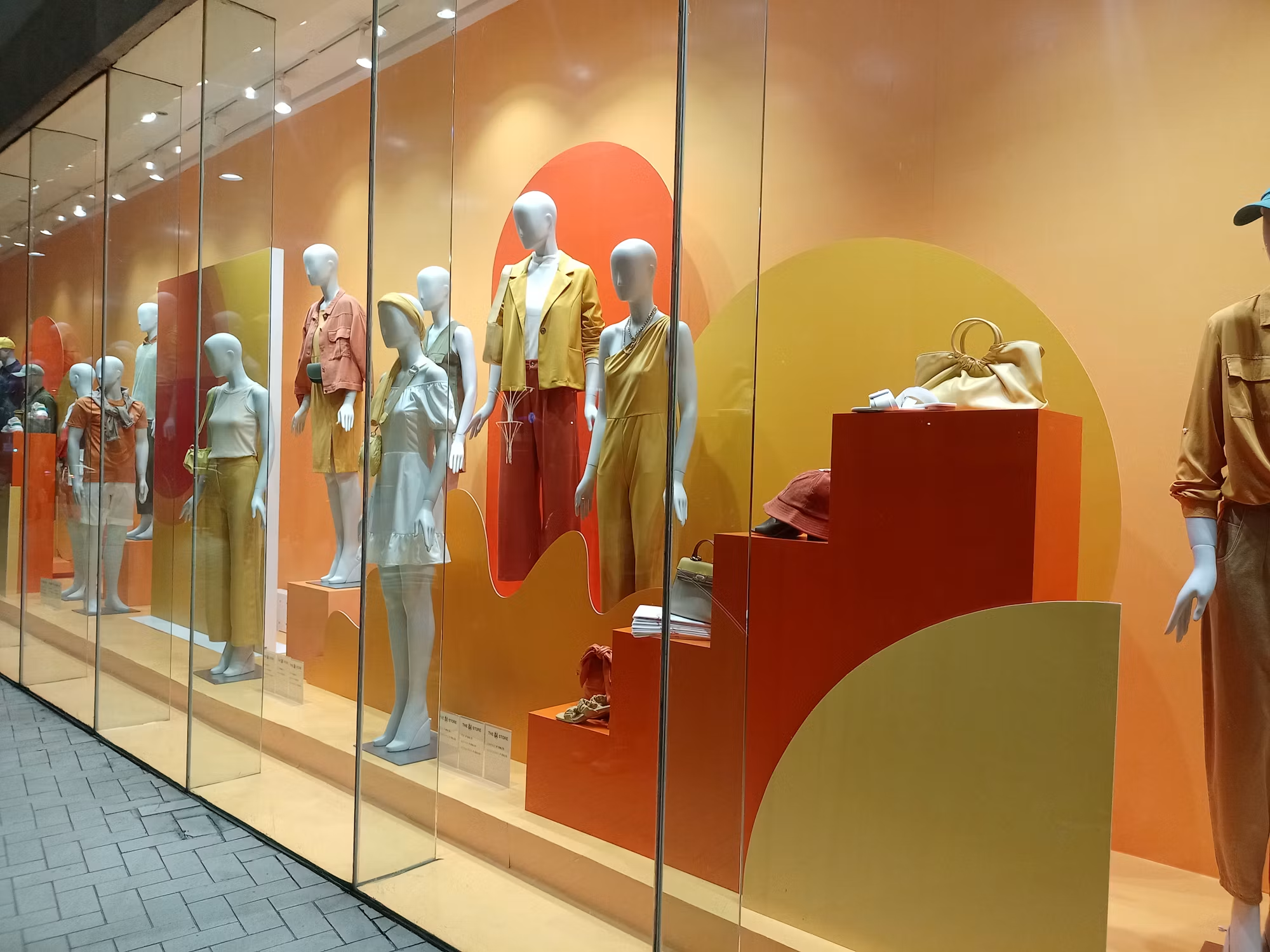

The retail industry stands at a crossroads, facing unprecedented changes driven by evolving consumer preferences, technological advancements, and a growing emphasis on sustainability. As shopping habits shift, retailers must innovate to attract and retain customers. This article explores various types of retail establishments and the creative strategies they are employing to navigate the future of shopping.
Department stores have long been a cornerstone of retail, offering a diverse array of products from clothing to electronics. Traditionally, they provided a one-stop shopping experience for consumers. However, the rise of e-commerce and changing consumer behaviors have challenged these establishments to adapt. To remain competitive, many department stores are embracing a multi-channel approach that integrates online and offline shopping experiences.
This approach allows consumers to shop seamlessly across platforms. For instance, features such as buy online, pick up in-store (BOPIS) enable shoppers to browse and purchase items online while enjoying the convenience of in-store pickup. This strategy not only enhances customer satisfaction but also drives foot traffic to physical stores, where additional impulse purchases can occur. Furthermore, many department stores are investing in experiential retail, creating unique in-store environments that engage customers through events, personalized services, and interactive displays.
Boutiques represent a different facet of the retail landscape, focusing on high-quality, unique products often curated for specific audiences. These smaller establishments emphasize personal customer service, creating a shopping experience that is both intimate and engaging. The charm of a boutique lies in its carefully selected inventory, which often includes locally made or artisan-crafted goods that resonate with discerning consumers.
Social media plays a crucial role in the success of boutiques. Many utilize platforms like Instagram and Facebook to showcase their offerings and connect with potential customers. By sharing engaging content, including behind-the-scenes glimpses of product sourcing and styling tips, boutiques build a loyal following. This direct interaction fosters a sense of community and strengthens the bond between the retailer and the customer, leading to increased brand loyalty.
Specialty stores further hone in on specific product categories, offering curated selections that cater to niche markets. Whether focused on gourmet foods, athletic gear, or eco-friendly products, specialty retailers provide customers with expertise and personalized recommendations that larger stores often cannot match. The knowledge and passion of the staff enhance the shopping experience, allowing consumers to feel confident in their purchases.
As consumers become more conscientious about their buying habits, many specialty stores emphasize sustainability and ethical sourcing. By highlighting eco-friendly products and transparent supply chains, these retailers attract a growing segment of shoppers who prioritize sustainability in their purchasing decisions. This commitment to ethical practices not only appeals to consumers but also differentiates specialty stores in a crowded market.
The trend of pop-up shops has introduced an element of novelty and excitement to retail. These temporary retail spaces often feature limited-edition products or seasonal collections, generating a sense of urgency among consumers. The unique shopping experience offered by pop-up shops encourages exploration and fosters a connection with brands that may not have a permanent presence in the market.
Pop-up shops also allow brands to test new products or markets without the long-term commitment of a traditional retail space. By creating immersive experiences that engage consumers, brands can build anticipation and loyalty, turning first-time visitors into repeat customers. This innovative retail model has proven effective in capturing consumer attention and driving sales, especially among younger demographics who value unique and authentic experiences.
Outlet stores continue to thrive by offering discounted prices on high-quality merchandise. These stores typically sell excess inventory, previous seasons’ items, or discontinued products, allowing consumers to enjoy significant savings. The appeal of outlet shopping lies not only in the prices but also in the thrill of discovering name-brand items at a fraction of the cost.
Many outlet centers have evolved into comprehensive shopping destinations that include dining, entertainment, and events, transforming the shopping experience into a day out. This strategy not only enhances the customer experience but also encourages visitors to spend more time exploring various offerings, making it a social occasion rather than just a shopping trip.
Chain stores play a significant role in the retail sector, offering consistency and familiarity to consumers across multiple locations. These establishments, ranging from large supermarket chains to specialty retailers, provide a reliable shopping experience characterized by standardization in product offerings and customer service. However, to stay relevant in an increasingly digital world, many chain retailers are incorporating technology into their operations.
Innovations such as mobile apps for in-store navigation, personalized promotions, and digital loyalty programs enhance the shopping experience, catering to the expectations of today’s consumers. By leveraging technology, chain stores can offer convenience and efficiency, attracting tech-savvy shoppers while fostering brand loyalty among existing customers.
Thrift stores have gained popularity as consumers become more budget-conscious and environmentally aware. These shops offer pre-owned items at affordable prices, promoting a culture of recycling and sustainable consumption. The excitement of hunting for unique vintage pieces or rare finds adds to the charm of thrift shopping, turning it into an adventure.
Moreover, many thrift stores support charitable causes, allowing shoppers to contribute to their communities with every purchase. This socially responsible aspect resonates with consumers who want their shopping habits to reflect their values, further driving the appeal of thrift stores in today’s market.
Farmers’ markets have become a beloved retail experience, connecting consumers directly with local producers. These open-air markets offer fresh, seasonal produce while fostering a sense of community among vendors and shoppers. The ability to interact with farmers and artisans enriches the shopping experience, as consumers appreciate knowing where their food comes from and supporting local economies.
The lively atmosphere of farmers’ markets, often accompanied by live music and community events, transforms shopping into a social occasion. As more consumers prioritize local and organic products, farmers’ markets play a vital role in promoting sustainable agriculture and community engagement.
Convenience stores continue to thrive by catering to the fast-paced lifestyles of modern consumers. These small shops offer quick access to everyday essentials, often operating extended hours to meet the needs of busy individuals. Many convenience stores have expanded their product offerings to include healthier snacks and meal options, reflecting changing consumer preferences for nutritious choices on the go.
By prioritizing accessibility and efficiency, convenience stores remain a staple in urban and suburban areas alike. Their ability to adapt to consumer demands ensures that they continue to meet the needs of individuals seeking quick and easy solutions.
Flagship stores serve as the flagship locations for brands, showcasing their identity and values in a unique environment. These prominent stores often feature innovative designs and experiential elements that create memorable shopping experiences. By prioritizing engagement, flagship stores aim to deepen customer connections and foster brand loyalty.
Investing in flagship locations highlights the importance of experiential retail in today’s market. Brands that focus on creativity and customer engagement can differentiate themselves, creating unique moments that resonate with consumers. These experiences not only attract foot traffic but also encourage repeat visits, reinforcing customer loyalty over time.
Warehouse clubs have established a unique niche in the retail landscape, offering bulk quantities of products at discounted prices. This membership-based model appeals to families and individuals looking to save money on everyday essentials. The straightforward shopping experience, characterized by minimalistic layouts, makes warehouse shopping efficient and convenient.
In addition to groceries and household goods, many warehouse clubs have expanded their offerings to include services like pharmacies, gas stations, and food courts, enhancing the overall value for members. This combination of bulk pricing and diverse services solidifies warehouse clubs as key players in the retail sector.
In summary, the retail industry is navigating a transformative era as it responds to evolving consumer preferences and technological advancements. Each type of retail establishment, from department stores and boutiques to pop-up shops and farmers’ markets, has adapted to meet the needs of modern shoppers. By embracing innovation, personalization, and community engagement, these retail formats continue to thrive, ensuring their relevance in a rapidly changing marketplace.